CATALYTIC CONVERTERS
CATALYTIC CONVERTERS
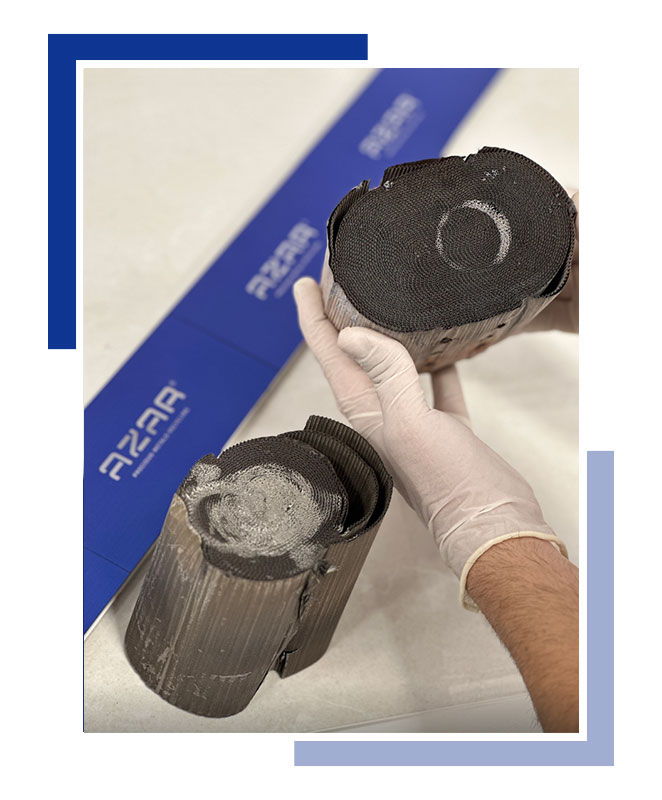
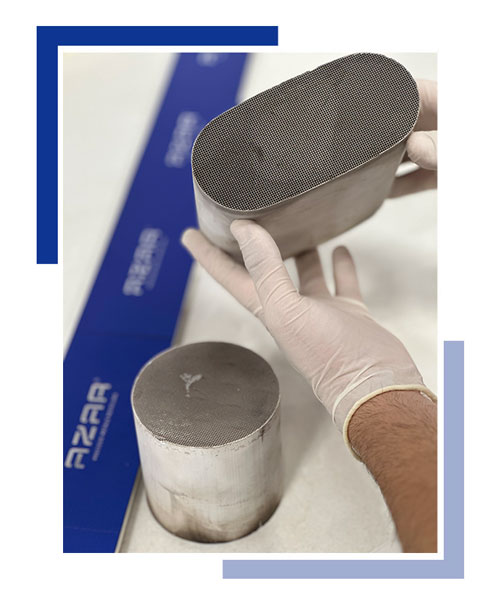
Catalytic converters are devices used in vehicles to reduce harmful emissions. They are typically located in the exhaust system, be – tween the engine and the muffler. The main purpose of a catalytic converter is to convert harmful pollutants into less harmful substances before they are released into the atmosphere. Inside a catalytic converter, there are typically three main components: a catalyst, a substrate, and a hous – ing. The catalyst is usually made up of precious metals like rhodium, platinum, and palladium, which act as catalysts to facilitate chemical reactions. When exhaust gases pass through the cat – alytic converter, they come into contact with the catalyst. The catalyst promotes chemical reactions that convert harmful pollutants into less harmful substances. For example, nitrogen oxides (NOx) are converted into nitrogen (N2) and oxygen (O2), while carbon monoxide (CO) and un – burned hydrocarbons (HC) are converted into carbon dioxide (CO2) and water (H2O). The substrate, which is typically made of ceramic or metal, provides a large surface area for the catalyst to interact with the exhaust gases. It also helps to distribute the gases evenly across the catalyst.
The housing of the catalytic converter is designed to with – stand high temperatures and protect the catalyst and sub – strate from damage. It also helps to direct the flow of ex – haust gases through the converter. As the exhaust gases pass through the catalytic converter and react with the catalyst, harmful pollutants are convert – ed into less harmful substances. This helps to reduce air pollution and meet strict emission regulations set by gov – ernments around the world. Rhodium, along with platinum and palladium, plays a cru – cial role in catalytic converters by acting as a catalyst. Its unique properties, such as high resistance to corrosion and oxidation, make it ideal for use in these devices. Rhodium’s high reflectivity also helps to maintain the efficiency of the catalytic converter by reflecting heat back into the reaction zone.
Overall, catalytic converters are essential components in vehicles to reduce harmful emissions and comply with emission regulations. Rhodium, as a key component in automotive catalysts, plays a vital role in facilitating the chemical reactions that convert pollutants into less harmful substances.